
How to Audit a Sanitary Ware Factory: A No-Nonsense Guide for B2B Buyers
Choosing a sanitary ware supplier is not only about price. A factory may look good in a catalog, but the real test is what happens inside the workshop: how products are made, how defects are controlled, how orders are managed, and whether the factory can support your business over the long term.
If you are sourcing toilets, basins, bathroom cabinets, bathtubs, shower trays, or smart bathroom products, a factory audit can help you reduce risk before placing a large order.
Below is a practical checklist for auditing a sanitary ware factory.
1. Check Whether It Is a Real Factory
The first thing to confirm is whether the supplier is a real manufacturer or a trading company.
A real factory should have its own production workshops, workers, equipment, quality inspection area, warehouse, and export records. A trading company may still be useful, but it usually depends on other factories for production.
During the audit, ask to see:
- Business license
- Factory address
- Production workshops
- Product testing area
- Warehouse
- Export documents
- Main product lines
If the supplier avoids showing the workshop or only provides polished showroom photos, be careful.
2. Review Production Capacity
Production capacity matters, especially for distributors, hotel projects, and large construction orders.
Ask the factory:
- How many pieces can you produce per month?
- What is the normal lead time?
- What is the lead time during peak season?
- How many production lines do you have?
- Do you handle ceramic, assembly, and packaging in-house?
- What parts are outsourced?
For sanitary ware, stable production is more important than a very low quotation. A factory that cannot control delivery may cause serious project delays.
3. Inspect Raw Materials
Good sanitary ware starts with good materials.
For ceramic products, check the clay, glaze, firing process, and surface finish. For bathroom cabinets, check the board material, hardware, coating, and moisture resistance. For smart toilets, pay attention to electronic components, heating systems, sensors, valves, and water parts.
Ask the factory how they control material quality before production. Reliable factories usually have supplier records and incoming material inspection procedures.
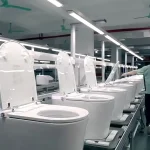
4. Check the Production Process
A factory audit should not stop at the showroom. You need to walk through the real production process.
For ceramic sanitary ware, check:
- Mold preparation
- Casting or forming
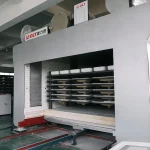
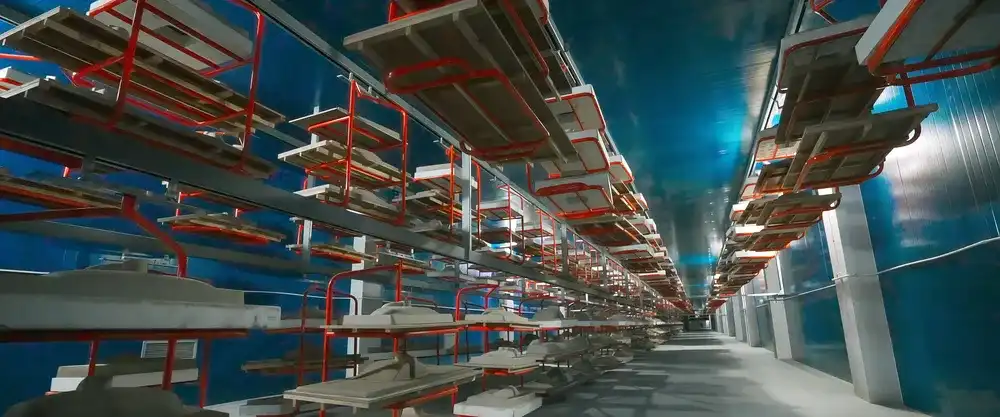
- Drying
- Glazing
- Kiln firing
- Polishing
- Inspection
- Packaging
For smart toilets, also check:
- Electronic assembly
- Water system testing
- Leakage testing
- Function testing
- Aging tests
- Final inspection
A clean, organized workshop usually means better management. A messy production area does not always mean poor quality, but it is a warning sign.
5. Review Quality Control Standards
Quality control is one of the most important parts of a sanitary ware factory audit.
Ask the factory what tests they perform before shipment. For toilets and smart toilets, common checks include:
- Flushing performance
- Water leakage
- Water pressure resistance
- Surface defects
- Size accuracy
- Electronic functions
- Seat heating
- Nozzle cleaning
- Sensor response
- Packaging strength
For basins and ceramic products, check for cracks, pinholes, glaze defects, deformation, color differences, and uneven surfaces.
A professional factory should have written QC procedures, not just verbal promises.
6. Check Product Certifications
Different markets have different requirements. Before choosing a factory, confirm whether its products can meet your target market standards.
Common documents may include:
- CE
- UKCA
- cUPC
- WaterMark
- SASO
- ISO certification
- Test reports
The exact requirement depends on the product and destination country. Do not assume one certificate works for every market.
If you sell in Europe, North America, the Middle East, or Australia, always ask for valid certificates and test reports before placing an order.
7. Inspect Finished Products
Randomly check finished products in the warehouse.
Look at:
- Surface finish
- Color consistency
- Product size
- Logo position
- Accessories
- Installation parts
- Packaging
- Labels
- User manuals
Do not only inspect one sample prepared by the sales team. Ask to check products from regular stock or current production orders.
This gives you a more realistic view of the factory’s daily quality level.
8. Evaluate Packaging Quality
Packaging is often ignored, but it is very important for sanitary ware.
Ceramic toilets, basins, and smart toilets are heavy and fragile. Poor packaging can lead to cracks, broken seats, damaged cartons, or customer complaints after arrival.
Check whether the factory uses:
- Strong cartons
- Foam protection
- Edge protection
- Pallet packing
- Drop test standards
- Clear shipping marks
If your products are for retail or e-commerce, packaging design and protection become even more important.
9. Ask About OEM and ODM Support
If you want to build your own brand, check whether the factory supports OEM or ODM services.
Ask if they can provide:
- Logo printing
- Custom packaging
- Product color customization
- New mold development
- Private label production
- Product design support
- Technical drawings
A strong OEM/ODM factory can help you create a product line instead of simply buying standard models.
10. Review Export Experience
A factory with export experience usually understands international quality requirements, documentation, packaging, and shipping better.
Ask which markets they have supplied before, such as:
- Europe
- United Kingdom
- North America
- Middle East
- Southeast Asia
- Australia
You can also ask for project references, product photos, shipment records, or customer types. A supplier with hotel, apartment, distributor, or brand experience is usually easier to work with.
11. Check Communication and Problem-Solving Ability
A factory audit is not only about machines and products. Communication matters a lot.
Pay attention to how the supplier answers questions:
- Are they clear and direct?
- Do they understand technical details?
- Can they explain lead times honestly?
- Do they respond quickly?
- Do they provide documents when requested?
- Do they avoid difficult questions?
A reliable factory should not disappear after receiving a deposit. Good communication reduces mistakes and helps solve problems faster.
12. Compare Price with Real Value
Price is important, but the lowest price is not always the safest choice.
In sanitary ware sourcing, very low prices may mean:
- Lower-grade materials
- Thin glaze
- Weak flushing performance
- Poor fittings
- Unstable electronics
- Weak packaging
- Limited after-sales support
A good factory should offer a fair price with stable quality, not just the cheapest quote.
Final Thoughts
Auditing a sanitary ware factory helps buyers avoid costly mistakes before placing large orders. A proper audit should cover factory identity, production capacity, raw materials, quality control, certifications, packaging, OEM ability, and export experience.
For distributors, contractors, bathroom brands, and project buyers, the right factory is not simply the one with the lowest price. It is the one that can deliver stable quality, clear communication, reliable lead times, and long-term support.
Before you make a final decision, visit the factory if possible. If you cannot visit in person, arrange a video audit or hire a third-party inspection company. A careful audit at the beginning can save a lot of trouble later.